Fossils
What are Fossils
What Is a Fossil?
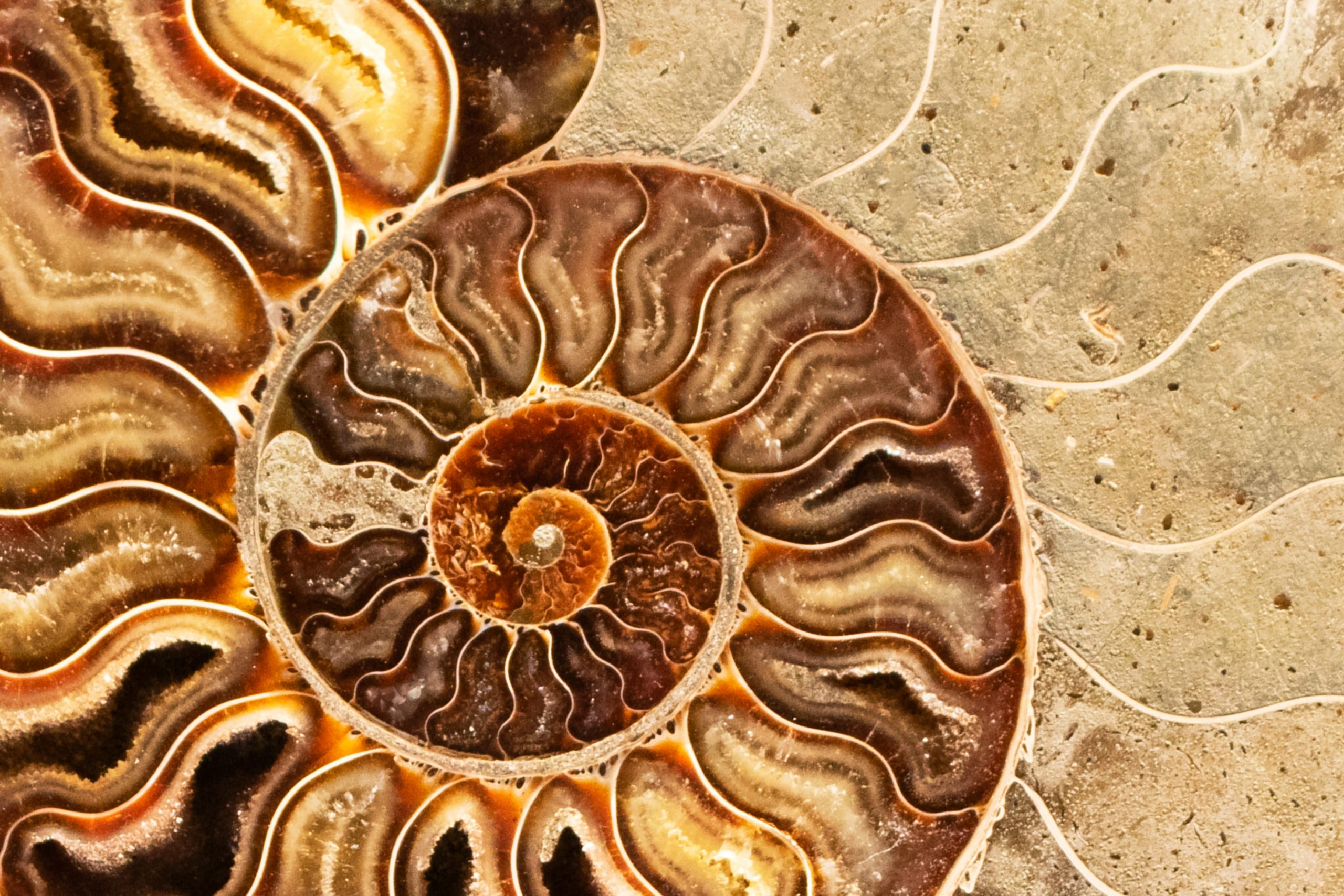
At its simplest, a fossil is the preserved remains or traces of an organism that lived in the geological past. These can include:
-
Body Fossils: Bones, teeth, shells, leaves, or even entire insects trapped in amber.
-
Trace Fossils: Footprints, burrows, nests, or feces (coprolites) that record behavior rather than anatomy.
-
Molecular Fossils: Chemical signatures—like ancient DNA or lipids—left behind in rocks.
How Do Fossils Form?
Fossilization is rare, because it requires just the right conditions. The typical steps are:
-
Death & Rapid Burial
An organism dies and is quickly covered by sediment—mud, sand, volcanic ash—shielding it from scavengers and decay. -
Mineral Replacement
Over millions of years, minerals in groundwater seep in, replacing organic tissues cell by cell and turning bones or wood into stone. -
Erosion & Exposure
Tectonic forces uplift the sedimentary rocks. Weathering and erosion then expose the fossils at the surface—ready to be discovered.
Types of Fossils
| Type | Example | What It Tells Us |
|---|---|---|
| Permineralized | Petrified wood | Anatomy and cell structure |
| Casts & Molds | Trilobite imprints in shale | Shape and external features |
| Amber Inclusions | Mosquito in tree resin | Soft tissue details, behavior |
| Trace Fossils | Dinosaur footprints in sandstone | Gait, speed, group behavior |
Famous Fossil Discoveries
-
Archaeopteryx (Germany, 1861): The “first bird,” bridging dinosaurs and modern birds.
-
Sue the T. rex (South Dakota, 1990): One of the most complete Tyrannosaurus rex skeletons ever found.
-
Tiktaalik (Canada, 2004): A fish–tetrapod “missing link” that walked in shallow water 375 million years ago.
Each of these finds has rewritten chapters of life’s story, teaching us about evolution, ecosystems, and extinction events.
Why Fossils Matter
-
Reconstructing Ancient Ecosystems
Fossils reveal what Earth’s climates and environments were like in the deep past. -
Understanding Evolutionary Pathways
Transitional forms help us trace lineages—like how whales evolved from land‑dwelling mammals. -
Informing Conservation
Studying past extinctions provides warnings about biodiversity loss and climate change today.
Where to See and Hunt for Fossils
-
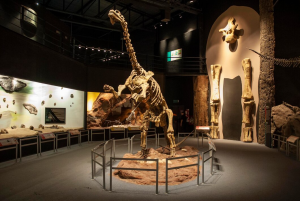
Museums & Exhibits: The American Museum of Natural History (New York), Natural History Museum (London), and Bangabandhu Sheikh Mujibur Rahman Novo Theatre (Dhaka) all feature impressive fossil halls.
-
Field Trips: Many countries have public fossil parks—such as the Mesozoic “Dinosaur Coast” in Queensland or the Gobi Desert in Mongolia—where you can join guided digs.
-
Local Sites: Even your region may hold ancient treasure. Ask nearby universities or geological societies for recommended sites and permits.
Tips for Aspiring Fossil Hunters
-
Do Your Research: Learn local geology and the age of rock formations.
-
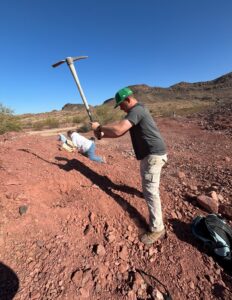
Use the Right Tools: A rock hammer, chisel, field notebook, and protective gear are essential.
-
Respect Regulations: Always obtain permission before digging; fossils are often protected by law.
-
Document Your Finds: Photograph the site, note GPS coordinates, and record observations.