Have you ever held a stone in your hand and wondered how old it might be—or what secrets it might hold? From jagged mountain peaks to smooth river pebbles, rocks are more than just the Earth’s surface. They are ancient storytellers. Fossils, too, are time capsules—preserving the remains of once-living creatures that walked, swam, or flew across our planet millions of years ago.
In this blog post, we’ll take a journey through the fascinating world of rocks and fossils, uncovering the science, history, and wonder behind them.
???? What Are Rocks?
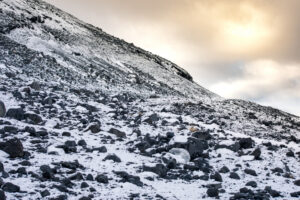
Rocks are naturally occurring solid substances made up of minerals. They come in three main types:
-
Igneous Rocks: Formed from cooled lava or magma (e.g., granite, basalt).
-
Sedimentary Rocks: Created from compressed layers of sediment (e.g., sandstone, limestone).
-
Metamorphic Rocks: Formed when existing rocks are changed by heat and pressure (e.g., marble, slate).
Each type holds valuable clues about Earth’s processes, environments, and changes over time.
???? What Are Fossils?
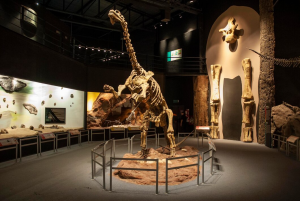
Fossils are the preserved remains or traces of ancient organisms—plants, animals, and even microorganisms. They are typically found in sedimentary rocks and provide crucial evidence of life from prehistoric times.
Some amazing types of fossils include:
-
Body fossils: Bones, teeth, shells.
-
Trace fossils: Footprints, burrows, and even ancient poop (coprolites)!
-
Plant fossils: Leaves, seeds, or bark impressions.
???? Why Are Rocks and Fossils Important?
-
Earth’s Timeline: They help scientists understand how Earth has changed over billions of years.
-
Climate Clues: Fossils show how climates shifted and species evolved.
-
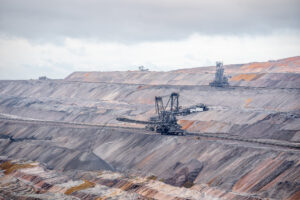
Natural Resources: Studying rocks helps us locate water, oil, minerals, and metals.
-
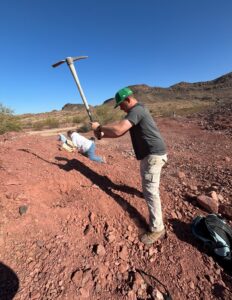
Education and Wonder: Kids and adults alike love fossil hunting—it brings science alive!